Immersive Interiors That Captivate in a Blink
.webp)
Immersive Interiors That Captivate in a Blink

Every successful hospitality project begins with a deep dive into the "Why" and the "Who." The initial Discover phase requires rigorous research to uncover the unique opportunities and challenges inherent in each assignment. It is essential to look beyond the floor plan to understand the market, the consumer, and the historical DNA of the location.
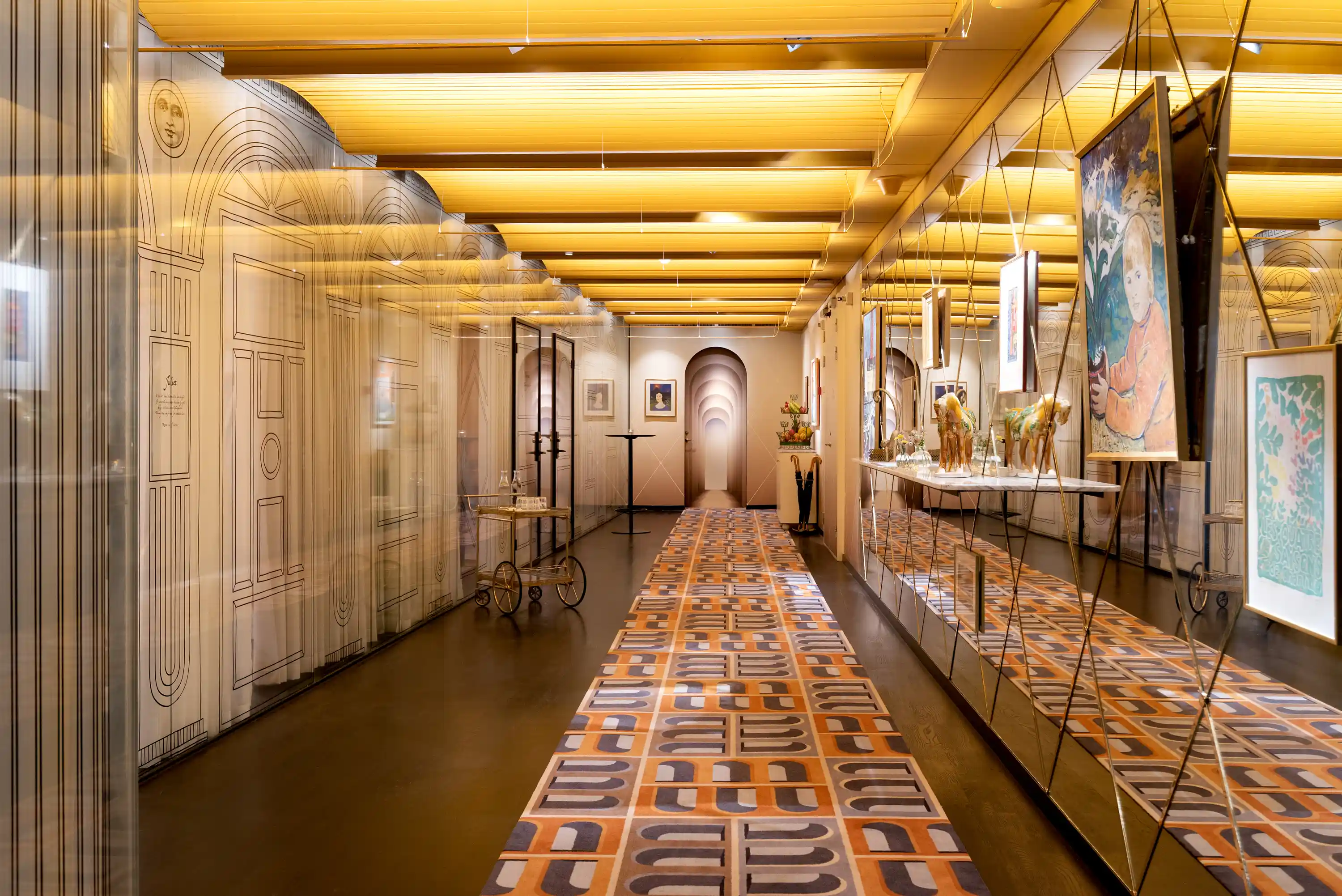
Beyond the physical structure, it is essential to uncover the stories buried within the architecture. The design for the Mornington City Health Club found its inspiration in the industrial heritage of the building as a historic coal cellar. In a similar way, the Mornington Galleries concept drew from the past life of the building as a theatre combined with the owner’s personal collection of 20th century Swedish art.
Deep market insights are gathered by interviewing core stakeholders and analyzing specific consumer segments. By looking at profiles the team ensures the final concept resonates with the target demographic’s specific needs and lifestyle.
Interviewing core stakeholders and analyzing consumer segments ensures the concept resonates with the target demographic’s specific needs and lifestyle. While joint site visits with stakeholders help build a shared understanding of market dynamics and potential opportunities.
.avif)
.webp)


With insights gathered, the process moves into the Strategy phase. This is where the Big Idea, the conceptual red thread is defined to unify every guest touchpoint. A strong strategy ensures perfect alignment between the brand personality and the physical environment.
For the Zzz Dreamscape Hotel, the strategy was inspired by Alice in Wonderland to create a dreamlike, staff-free underground escape that stimulated all senses. For the Mornington Galleries, the strategy became The Theatre of Meetings, naming each room after a Shakespearean character to introduce a unique storytelling element.
Developing a brand platform and personality includes establishing the name, logo, visual personality, and tone of voice. Creating this framework for marketing and publicity helps launch the brand successfully on both national and international stages.

.webp)
.webp)
.webp)
.webp)
.webp)
.webp)
The interior architecture must dictate a seamless and intuitive flow that guides the guest journey naturally. Designing for holistic integration means blurring the lines between different functional zones so that transitions feel organic rather than forced.
By employing dynamic layouts or creating central anchor points, the space can slow down the guest at high value touchpoints while ensuring rapid transit through utility areas. Spatial storytelling ensures that the physical environment acts as an active carrier of the brand rather than a passive backdrop. Every corner, ceiling height variation, and transition zone is meticulously planned to evoke a specific emotional response and encourage exploration.
A comprehensive lighting strategy layers ambient, task, and accent illumination to create a multidimensional environment. Through atmospheric zoning, different color temperatures and intensities are utilized to define specific areas without the need for physical walls. Warm, low level lighting might cultivate a sense of intimacy in social lounges. Dynamic lighting control systems allow the environment to transition seamlessly from bright, energizing morning atmospheres to moody, immersive evening settings. Custom luminaires and integrated lighting within joinery or architectural coves serve a dual purpose, acting as both functional illumination and sculptural art pieces that enhance the overall spatial storytelling.
A successful design often relies on the dynamic tension between contrasting elements. Balancing raw, unrefined industrial materials with high end luxury finishes could create a sophisticated visual dialogue. While pairing exposed structural elements or untreated metals with polished stone, warm wood, and soft fabrics adds depth and character.
Each material is chosen not only for its visual appeal but for its durability and tactile quality, ensuring that the physical touchpoints reinforce the overarching brand narrative with every interaction.
.webp)
.webp)
.avif)


This involves transforming the conceptual design into technical reality. Deep expertise in hospitality interior design ensures that the final result is as functional as it is beautiful. This transition begins with final art and technical documentation, requiring the production of detailed 2D and 3D drawing packages alongside precise specifications for custom made furniture and architectural details.
Sustainability and repurposing play a vital role during this stage by prioritizing sustainable design principles and reusing materials wherever possible. In the Mornington Galleries project, conference tables were repurposed with new oak tops, and recycled marble was used for benches and windowsills. Worn curtains were even transformed into functional furniture.
Comprehensive project management and procurement deliver full support through production and execution. This involves coordinating closely with contractors for specialized work, such as excavating basement floors to increase ceiling heights in underground hotel projects. Digital integration is also crucial for modern hospitality concepts like Zzz Dreamscape, requiring the design of the entire digital customer experience from the app based check in process to the safety and security features.
Finally, strict quality assurance involves overseeing the implementation on site to ensure every detail aligns perfectly with the approved concept, ranging from the staff uniforms to the wayfinding signage.
.webp)
A well-designed concept is intended to be a long-term commercial asset that enhances guest loyalty and opens new revenue streams. Enhanced brand equity is achieved by repositioning properties as top-tier destinations.
Revenue growth follows by integrating hospitality and retail services to maximize the commercial potential of every square meter. The Mornington Health Club strengthened guest loyalty and created new revenue through memberships and hotel stay integration. Operational excellence ensures that strategic design supports high turnover and longer dwell times. Urban Deli Sveavägen became a city meeting spot active from early morning to late night, ensuring a constant flow of visitors and high commercial performance.
Award-winning experiences stem from a focus on sensory-rich environments, leading to exceptional guest reviews. Zzz Dreamscape Hotel became a top-rated destination for both business travelers and tourists, frequently receiving perfect ratings on global booking platforms. Ultimately, this comprehensive approach is about more than just aesthetics. It is about creating an unforgettable experience that resonates emotionally with guests and delivers lasting value to owners and stakeholders.

