Retail Concepts That Activate in a Blink
Retail Concepts That Activate in a Blink
Before a single sketch is drawn, we as a design agency must act as detectives. Data tells you what sold, but observation tells you why.
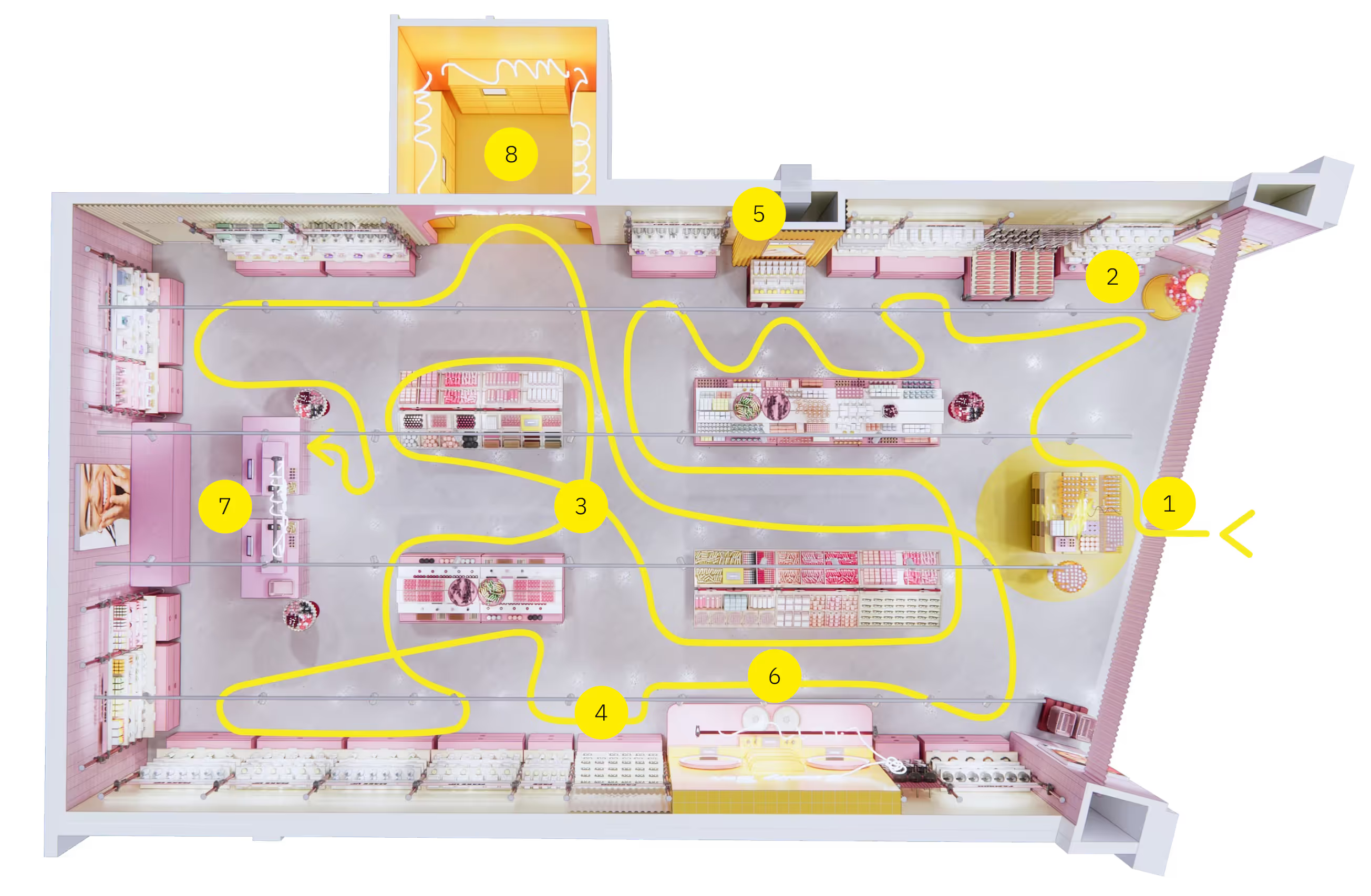
We begin customer journey mapping by identifying every friction point in the current experience. This includes threshold fears where many customers hesitate to enter specialized stores (like high-end opticians or kitchen showrooms) because they feel they lack expert knowledge. But also 'Marathon Fatigues' when large-format grocery retail shoppers often feel overwhelmed by hangar-like environments, leading to a 'grab-and-go' mentality rather than discovery.
We look for the emotional triggers that drive conversion. Anxiety in urban grocery environments, where shoppers often face a high cognitive load regarding meal planning. Or the 'Can You Check the Back?' fatigue in apparel or shoe retail: the gap created when an associate disappears to a stockroom.

.webp)
.webp)
Strategy is the bridge between business problems and design solutions. As a Scandinavian retail design agency, our strategy is often rooted in humanizing the scale, making vast spaces feel simple and intuitive.
A Big Idea is a conceptual metaphor that resolves a business paradox. It is the soul of the brand distilled into a physical philosophy. For example, it might involve treating a store as a living character or a silent concierge'that guides the visitor through a narrative. It is the bridge between cultural exhibition and high-functioning commercial retail.
.webp)
.webp)
.webp)
.webp)
.webp)
.webp)
.webp)
The store's spatial layout is shifting away from rigid, predictable grids in favor of organic designs that invite natural exploration. This new flow is anchored by a hub and spoke model, where central hero categories serve as a vibrant heart for the space. To further disrupt the monotony of traditional aisles, island stalls are utilized to create 360-degree clusters; these intentionally slow the shopper's pace and encourage a meandering, discovery-based experience.
Efficiency is balanced against this leisure through a dedicated high-speed lane at the entrance for immediate needs, while dry goods and pantry items are strategically pushed to the rear to prevent bottlenecks and optimize the overall movement within the store.
Lighting serves as the unsung hero of retail design, acting much like makeup to enhance and define the interior environment. Through atmospheric zoning, the space utilizes 3000K warm-temperature spotlights to cultivate a cozy, residential atmosphere in specific areas like kitchens or bakeries. This is complemented by high-CRI Precision lighting, which employs a high color rendering index to make fresh produce appear vibrant and visually striking.
The design strategy for materiality and texture centers on the use of raw, honest materials to convey a sense of genuine authenticity. This could begin with an authentic Nordic palette featuring untreated pine, brushed granite, light ash woods, and cold-rolled steel, which establishes a clean yet grounded aesthetic. To elevate the store into a boutique atmosphere, tactile contrasts are intentionally applied, pairing the hard tech of robotics with soft nature fabrics and warm wood finishes.
Underpinning this entire sensory experience is a commitment to sustainable sourcing, utilizing recycled composites and locally sourced timber to ensure the physical architecture aligns seamlessly with the brand’s environmental credentials.
The visual communication strategy aims to make the store "whisper with clarity," acting as a 'silent concierge' that guides the customer journey without being overbearing.
This is achieved through proprietary iconography like featuring bespoke characters like the "Walking Grocery Bag" to provide a seamless visual bridge between the digital app and physical pickup points. The brand voice is further humanized through playful messaging, utilizing witty, illuminated typography designed to sound like a trusted friend rather than a cold corporation.
Finally, bilingual integration ensures that regional identity is deeply respected, treating multi-language signage as a primary design element rather than a secondary addition.
.webp)


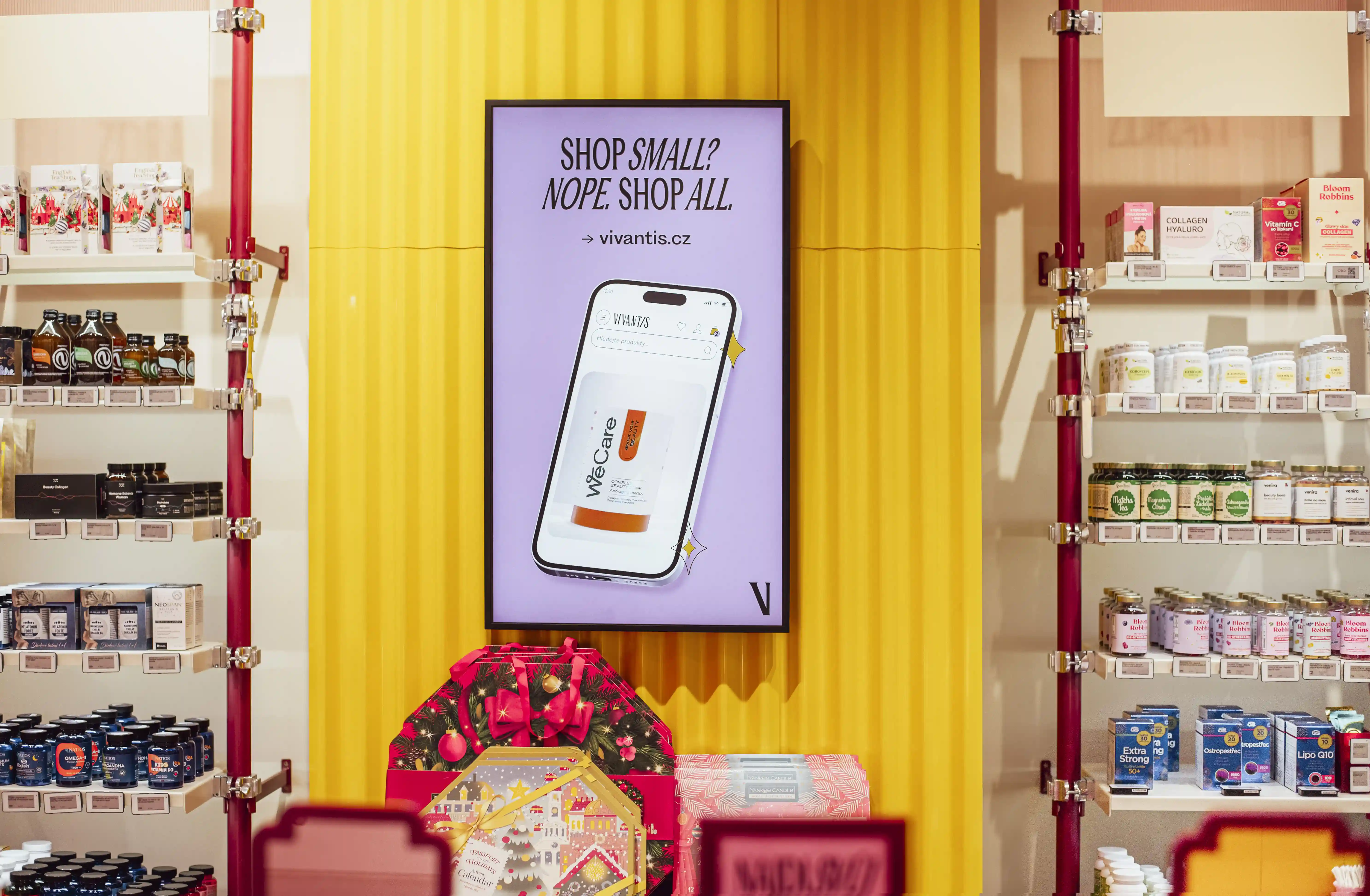
A modern retail concept must acknowledge that the customer's journey likely began on a sofa with a smartphone.
Integration of seamless tech interactive touchscreens or extended aisle digital touchpoints directly into fixtures to ensure customers can access your entire inventory even if it isn't on the shelf. The "Phygital" validation use digital tools to help customers visualize complex products, but provide physical 'Style Tokens' (samples) to maintain the tactile connection.
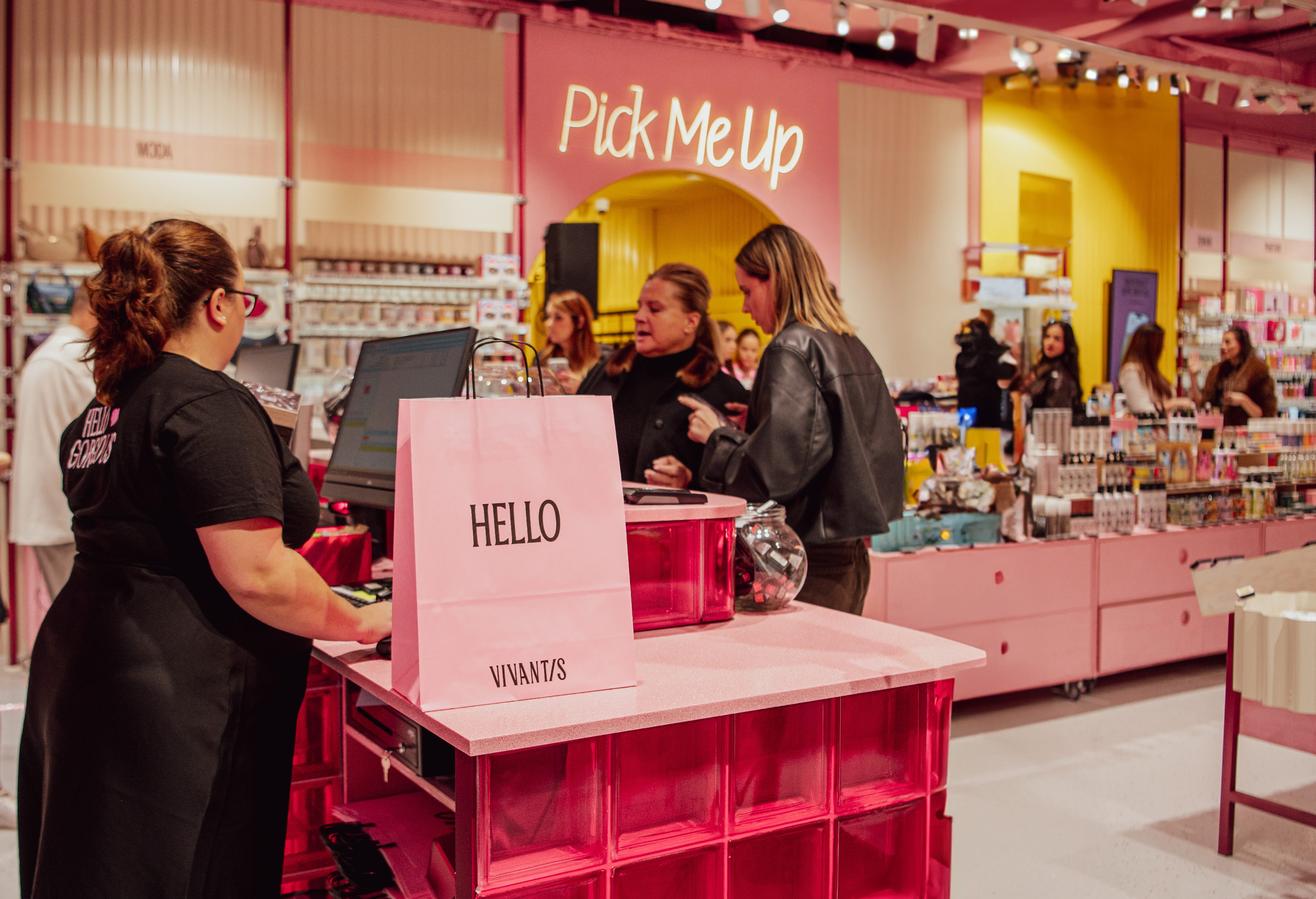
Designing for rituals and social magnetism is essential to justify a physical store visit, as the space must offer sensory experiences that a screen simply cannot replicate. By incorporating service rituals, retailers can transform idle periods, like waiting for assistance or picking up an order, into memorable branded hospitality moments such as a curated tea service or a welcoming community lounge. Furthermore, establishing value theatre by dedicating high energy zones to new product drops or limited time offers generates a compelling sense of urgency and taps into the thrill of the hunt.


Building a concept is a logistical challenge that requires a "kit of parts" for global scalability. Before a full rollout, rigorous prototyping and testing are applied to every custom fixture. This focus on durability and hygiene guarantees that cooking stations and high traffic design ateliers meet strict safety and operational standards. Additionally, specialized materials are used for acoustic management to dampen mechanical noise and hypermarket echoes, cultivating an atmosphere of hushed luxury and domestic comfort.
To manage this at scale, our we provide an implementation playbook featuring comprehensive guidelines to maintain brand consistency across sometimes more than 800 locations. This is achieved through modular systems where fixtures snap together like building blocks, empowering local contractors to adapt layouts to specific architectural shells without redesigning the wheel.
Finally, synchronized launches are coordinated closely with digital teams, ensuring that app updates and physical store refits occur simultaneously for a perfectly seamless transition.


Measuring the commercial engine is the final step in evaluating a space. Great design acts as a sales engine that drives both emotional connection and commercial performance. When looking at quantitative success metrics, well designed spaces can increase the time customers spend in store by 40 percent or more. Furthermore, by eliminating dead ends in the customer journey and improving product visibility, we have seen significant spikes in transaction volume and conversion rates.
Ultimately, these successful concepts lead to massive market share growth in certain grocery formats, and can even result in brand acquisitions by major investment groups. Beyond the numbers, qualitative brand equity plays a crucial role. In the modern market, if a space is not worth filming, it is simply not worth the commute. Because of this, we design environments that naturally become social media magnets and active community hubs. This approach also deeply impacts employee satisfaction. Shifting the focus from pushing products to facilitating dreams drastically improves staff retention and elevates the overall quality of customer interactions.

