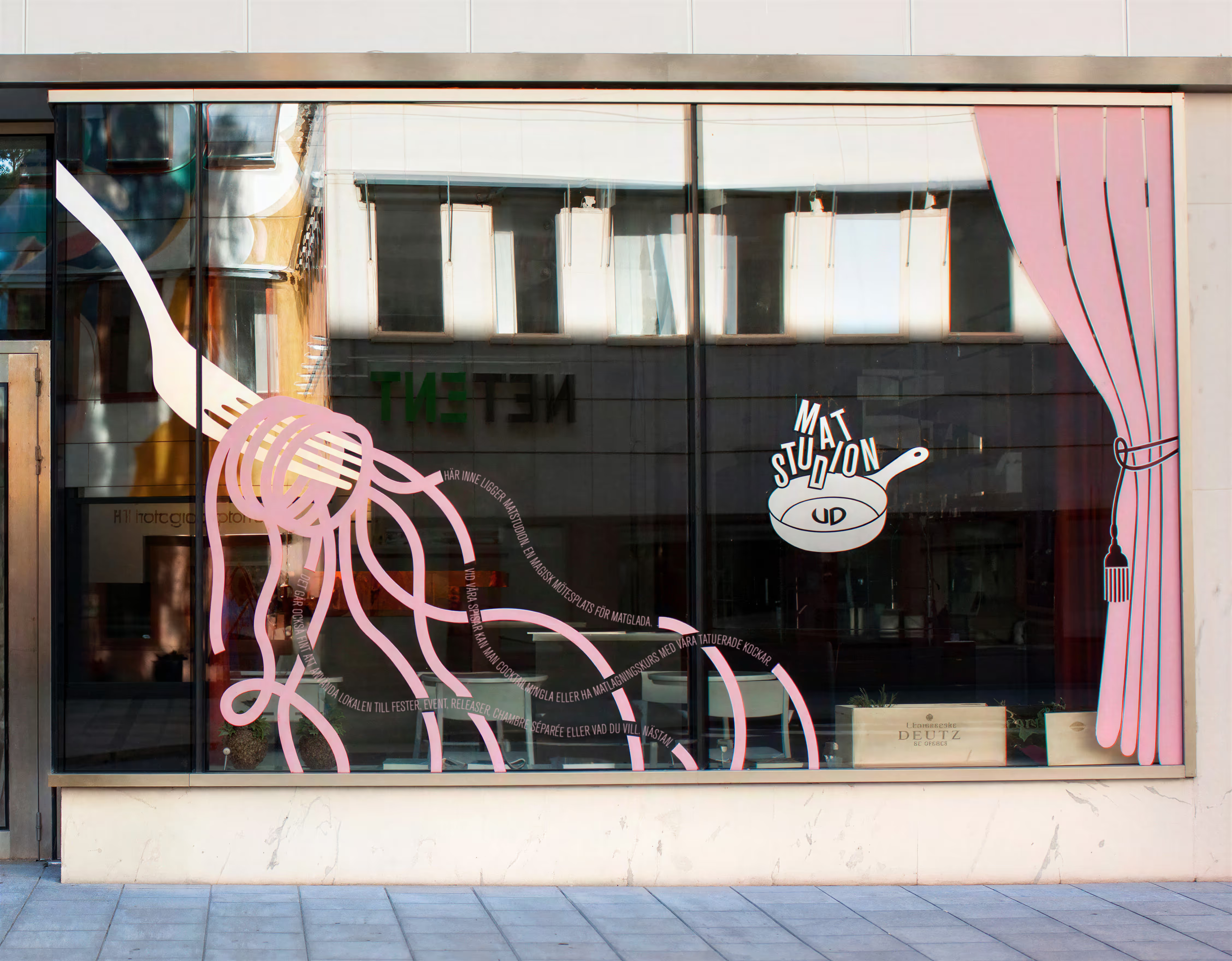
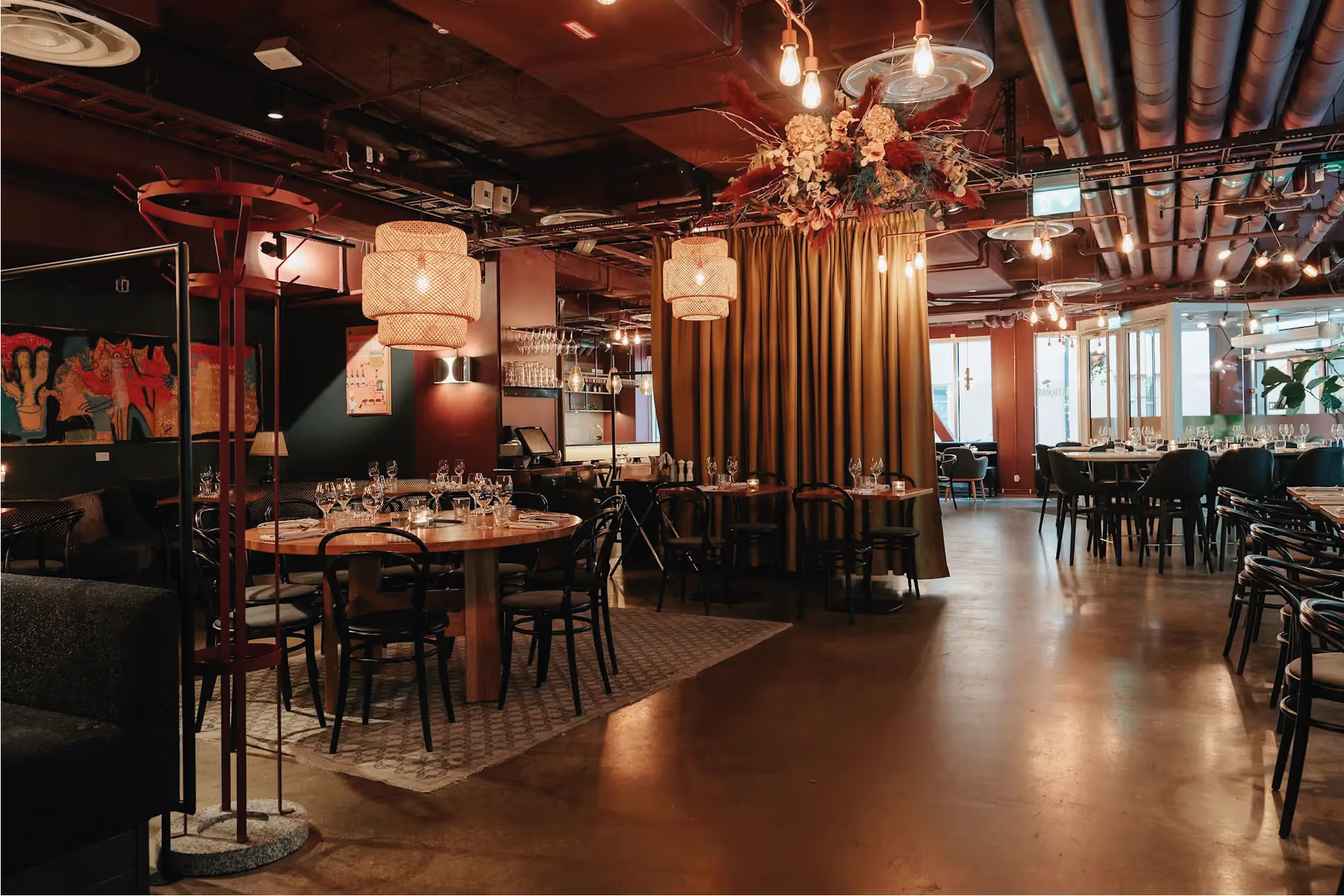
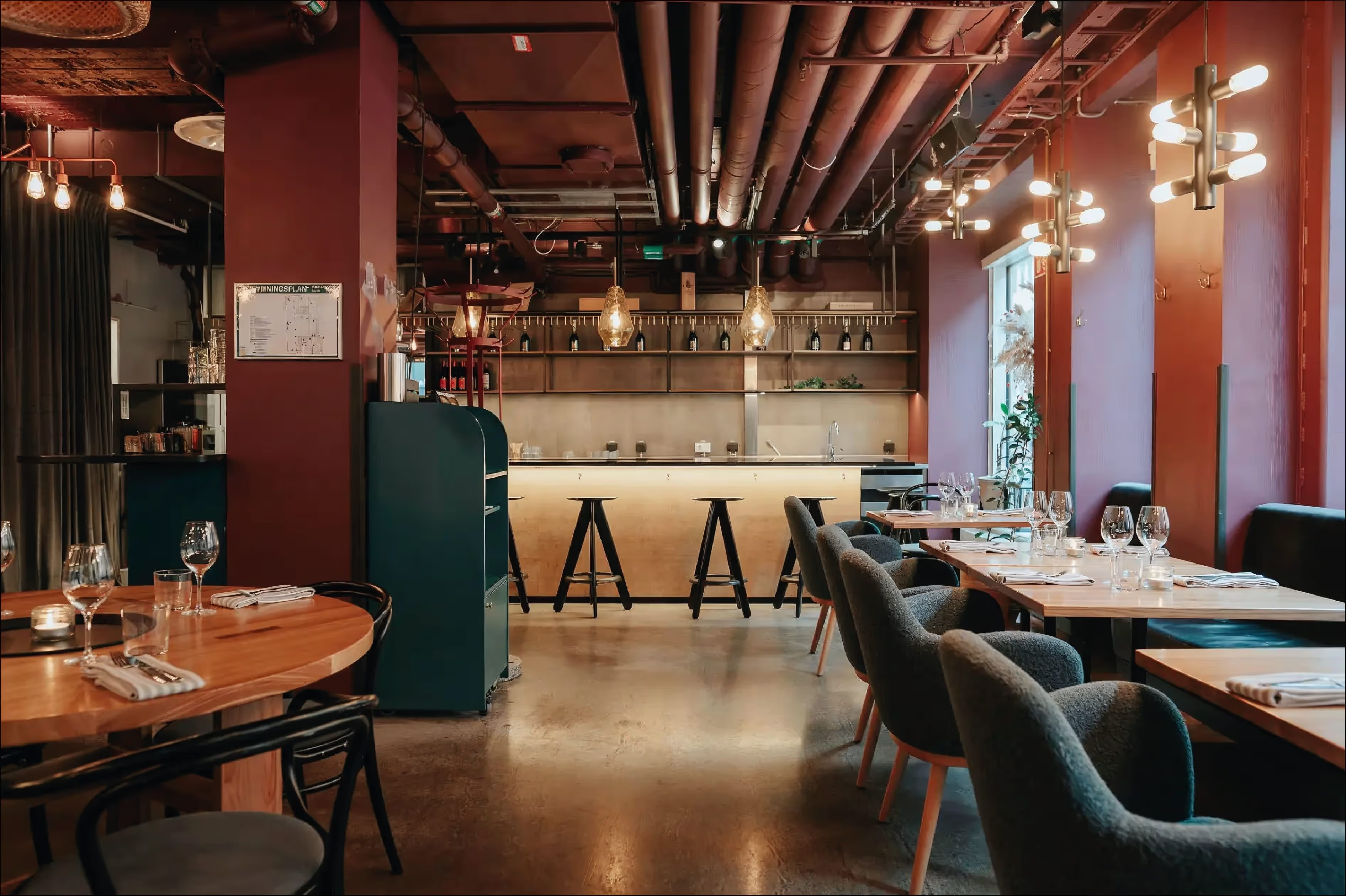
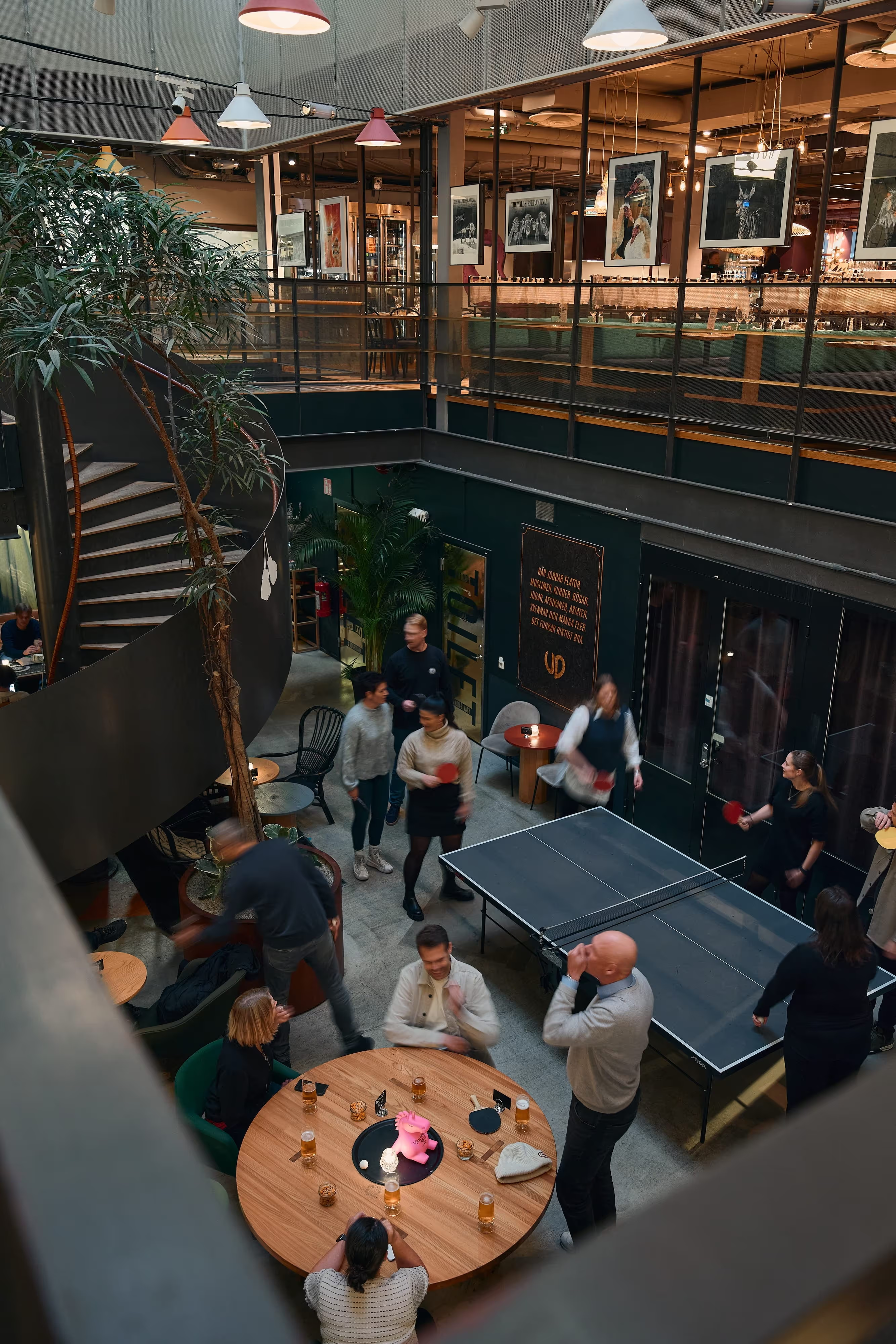
Blink developed the full-scale concept for Urban Deli Sveavägen, transforming a complex mixed-use venue into a seamless destination. Our assignment encompassed strategy, interior design, and visual identity, ensuring a cohesive and commercially viable experience across the hospitality, retail, and hotel zones.

  • CLIENT

    Urban deli

  • LOCATION

    Sweden

  • INDUSTRY

    RESTAURANT, FOODHALL, GROCERIES

  • SCOPE

    Branding, Identity Design, Customer Experience Design

Opportunity and concept

Cross Icon

Connecting Multiple Functions into One Experience

From an early stage, the project focused on strategic concept development for a complex, mixed-use environment. Our team worked closely with Urban Deli’s internal concept development group to define a strong core idea that could unify a wide range of functions, audiences and operational needs.

The ambition was to position Urban Deli Sveavägen not simply as a restaurant or retail space, but as a destination-driven hospitality concept — a place where food, culture, work and social life intersect. Through careful analysis of visitor flows, user behaviour and commercial potential, the concept was structured to support both high turnover and longer dwell times.

Result and impact

Cross Icon

A Destination Active from Morning to Late Night

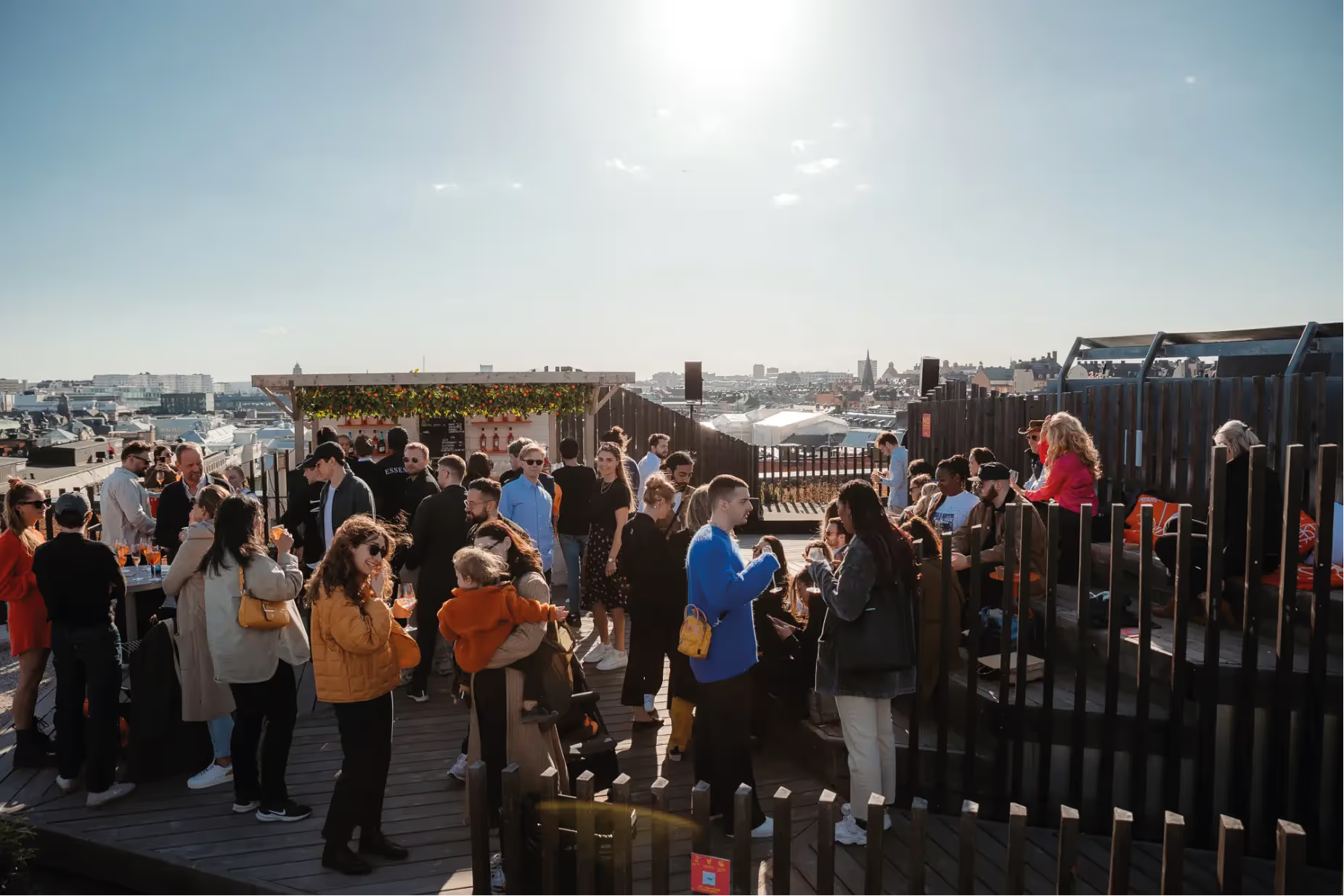
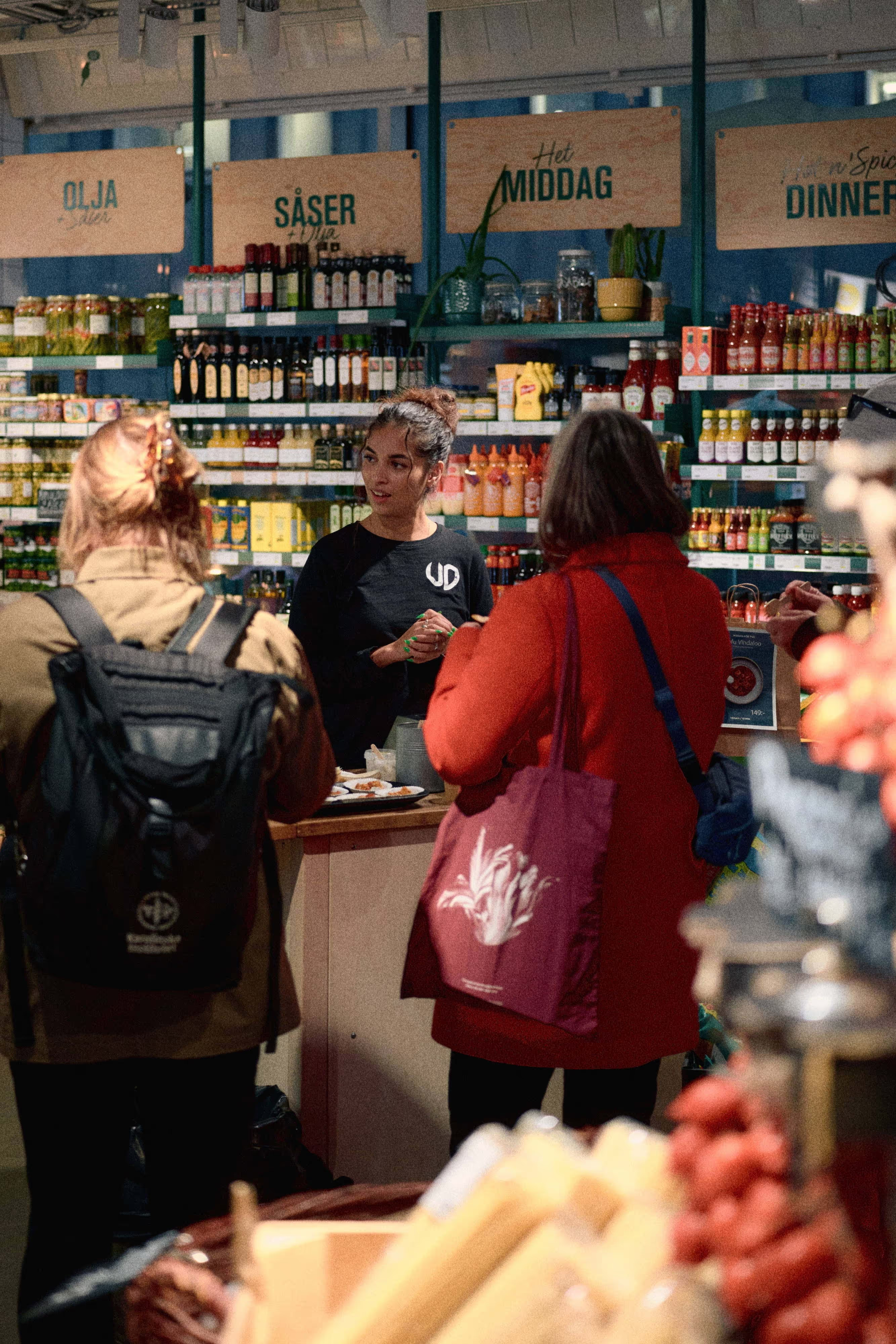
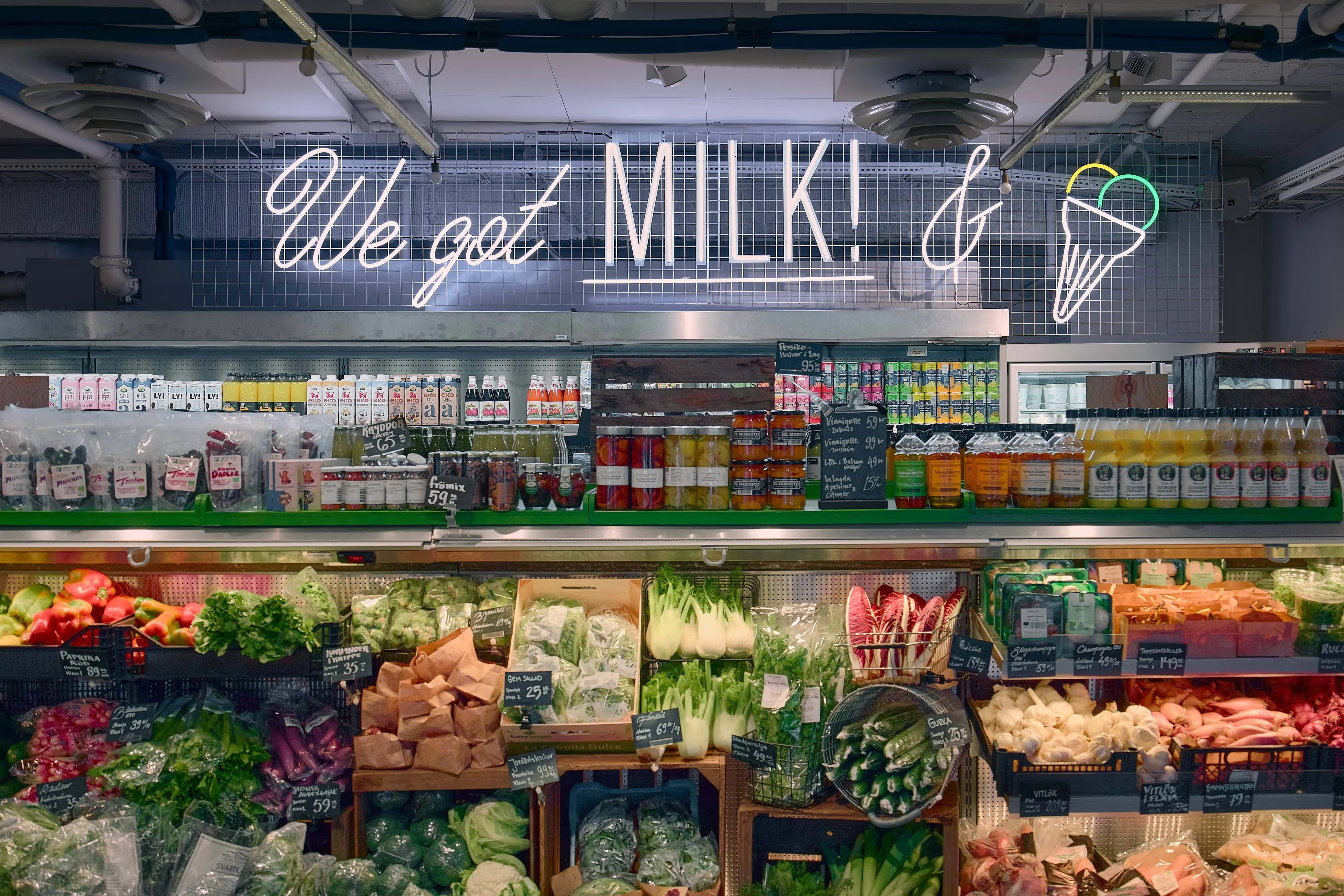
Urban Deli has become one of the city’s most popular meeting spots, celebrated for its vibrant, personal atmosphere, social dining experience, and a store and food hall filled with exciting and unique products.The overarching goal of the Urban Deli Sveavägen concept was to create a vibrant urban meeting place that remains active and well-visited from early morning to late evening. By combining restaurant, café, bar, deli, grocery store, hotel and rooftop park under one roof, the destination was designed to attract different audiences at different times of the day.

Each function plays a specific role in the daily rhythm of the venue: morning visitors are drawn to the café and grocery store, daytime guests engage with retail and casual dining, while evenings and nights are activated by the restaurant, bar and social spaces. Together, these complementary programs ensure a constant flow of visitors and create a lively atmosphere throughout the day, strengthening both the commercial performance and the social relevance of the destination.

A distinctive part of the concept is the hotel, which is Stockholm’s first fully windowless hotel located entirely below ground. Rather than being treated as a limitation, this condition became an integral part of the experience-driven design concept. Through carefully considered interior design, lighting design and spatial storytelling, the hotel offers a unique and immersive stay that reinforces the overall identity of Urban Deli Sveavägen as an innovative and unconventional urban destination.

The result is a cohesive hospitality and retail environment where concept development, interior design, graphic design and visual identity work together to create a place that feels alive, inclusive and continuously relevant — a true urban hub that resonates with both locals and visitors.

Discover how

Cross Icon

Interior Design – A Holistic and Urban Spatial Identity

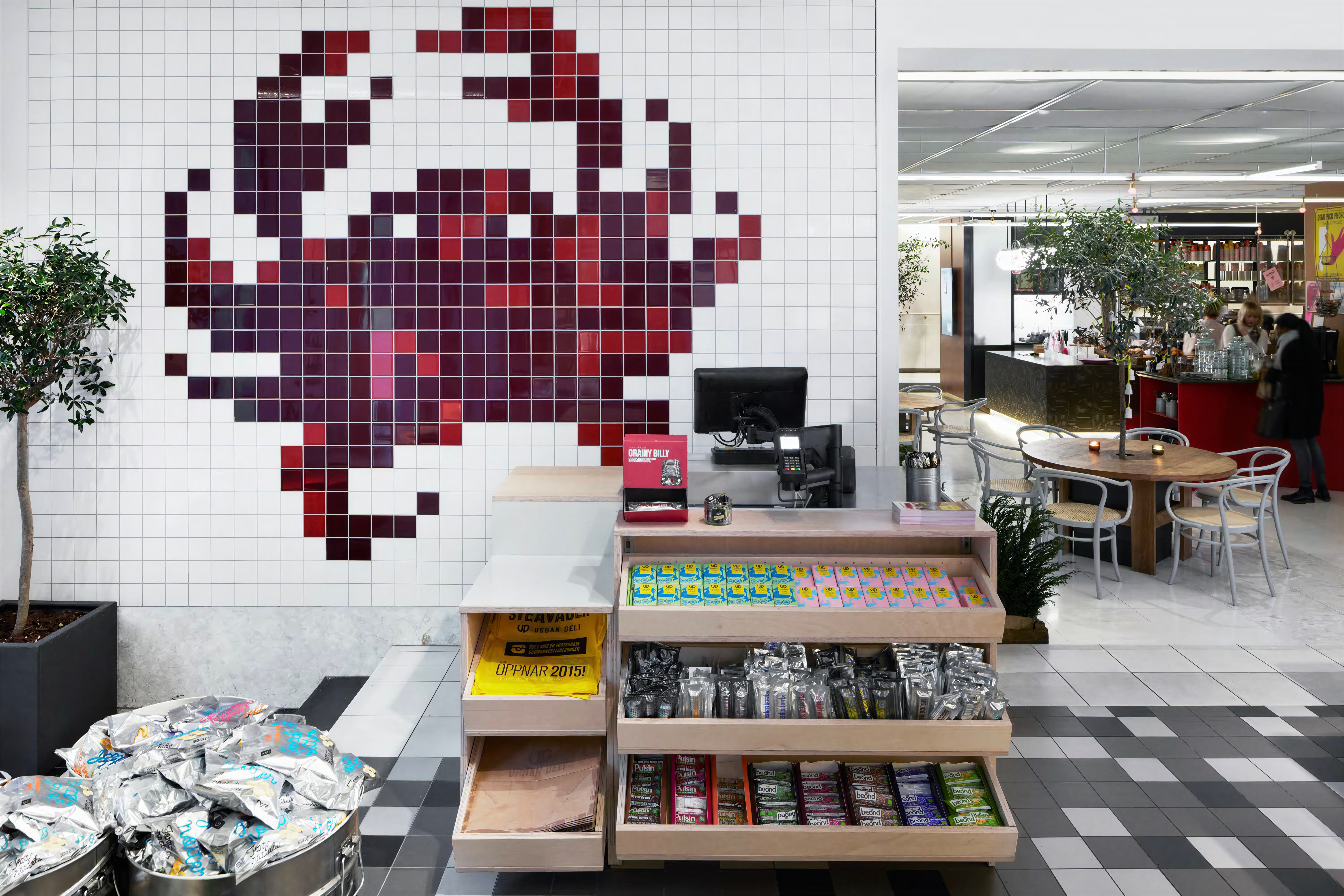
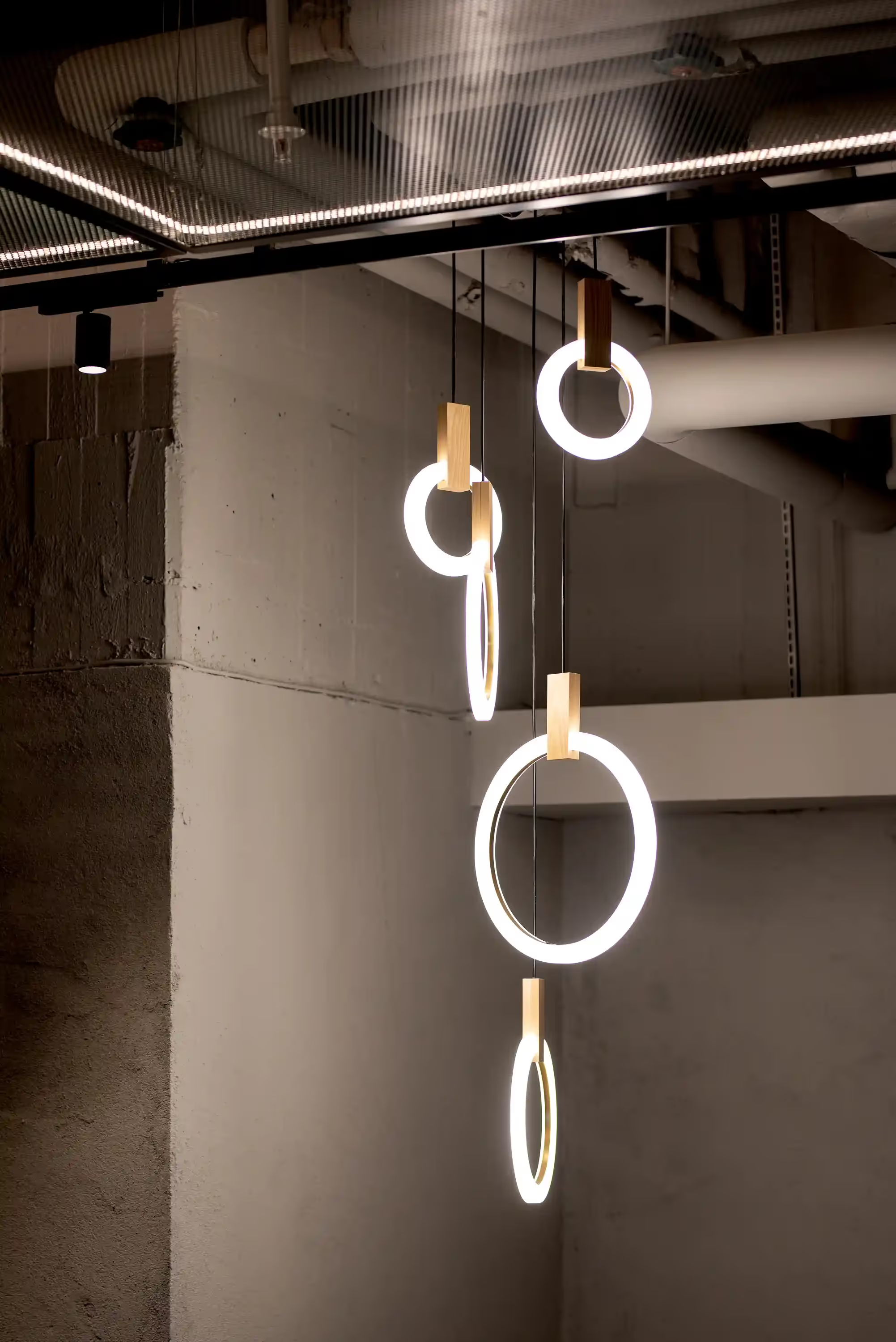
The interior design was developed as a key carrier of the concept and brand. Rather than treating interior architecture as a backdrop, it became an active part of the overall experience. Materials, colours, lighting and furniture were selected to support an urban, eclectic and contemporary expression, while maintaining clarity and functionality across the large-scale environment.

The spatial design connects open, energetic areas with more intimate zones, allowing the venue to adapt to different uses and moods throughout the day. Custom-designed furniture and integrated architectural details reinforce the identity and contribute to a recognisable and memorable interior design language.

Graphic Design and Visual Identity – Integrated Spatial Branding

A central part of the assignment was the development of a graphic design system and visual identity that could operate seamlessly within the architecture. The visual identity was integrated directly into the interior design, creating a strong sense of spatial branding rather than applied graphics.

Typography, signage, wayfinding, menus, staff uniforms and colour systems were all developed as part of a unified design language. This approach ensures consistency, clarity and recognisability across the entire venue, while also allowing flexibility for future development and expansion.

The result is a visual identity that strengthens the Urban Deli brand, enhances usability and supports the commercial objectives of a high-traffic hospitality and retail environment.

A Unified Design Approach for Hospitality and Retail Environments

Urban Deli Sveavägen demonstrates the value of a fully integrated design process, where concept development, interior design, graphic design and visual identity are developed in parallel. By aligning strategy, space and communication, the project creates a cohesive experience that is both operationally efficient and emotionally engaging.

The venue stands as an example of how holistic design for hospitality and retail environments can transform a complex programme into a strong, destination-driven concept with long-term relevance and commercial impact.

Want to know more?
Contact Richard Kylberg, founder of Blink

Copy Text to Clipboard
richard@blinkthedesignagency.com

LINK COPIED!

Copy Text to Clipboard
+46 73 545 50 18

LINK COPIED!

LINKEDIN

Related cases